
What to Expect Following Carpal Tunnel Release Surgery
One of the most common questions patients ask before carpal tunnel surgery is: "How long will it take to recover?" It is a practical question — and an important one. Understanding what recovery looks like, what is normal, and what to watch for can help patients prepare mentally and physically, manage their expectations, and return to normal activity as quickly and safely as possible.
This post walks through the full carpal tunnel surgery recovery process — from the first hours after the procedure through the weeks and months that follow. For background on the condition itself, visit our Carpal Tunnel Syndrome overview page. For information on the surgical techniques Dr. Donnelly performs, see the Endoscopic Carpal Tunnel Release and Open Carpal Tunnel Surgery pages.
What Happens on the Day of Surgery
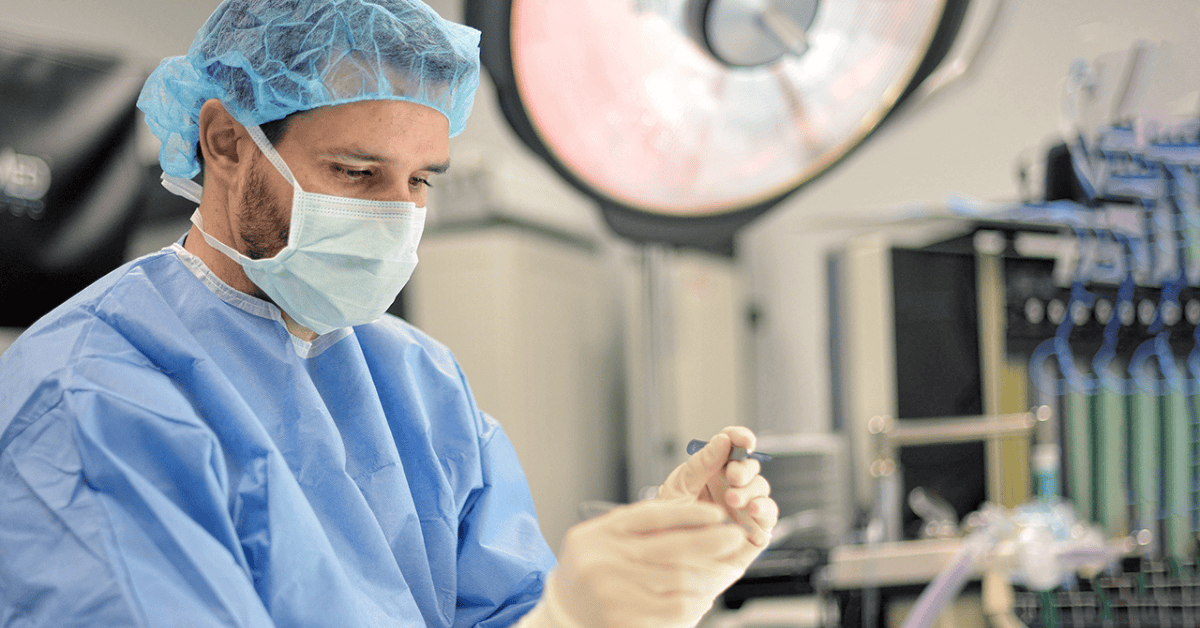
Carpal tunnel release is performed on an outpatient basis for the vast majority of patients — no overnight stay is required. The surgery itself takes approximately 10 to 15 minutes and is performed under local or regional anesthesia. Dr. Donnelly offers WALANT (Wide Awake Local Anesthesia No Tourniquet) — a technique that eliminates the need for general anesthesia entirely by using a combination of lidocaine and epinephrine to control pain and bleeding at the surgical site.
The benefits of WALANT for carpal tunnel surgery are significant from a recovery standpoint:
- No general anesthesia means no nausea, grogginess, or prolonged sedation after the procedure
- Patients feel normal almost immediately after surgery
- Fasting is generally not required — patients can eat or drink something light the morning of surgery
- Most medications, including blood thinners, do not need to be stopped
- Preoperative blood work and medical testing are rarely needed, saving time and cost
- Patients can communicate with Dr. Donnelly during the procedure and receive post-operative instructions immediately upon completion
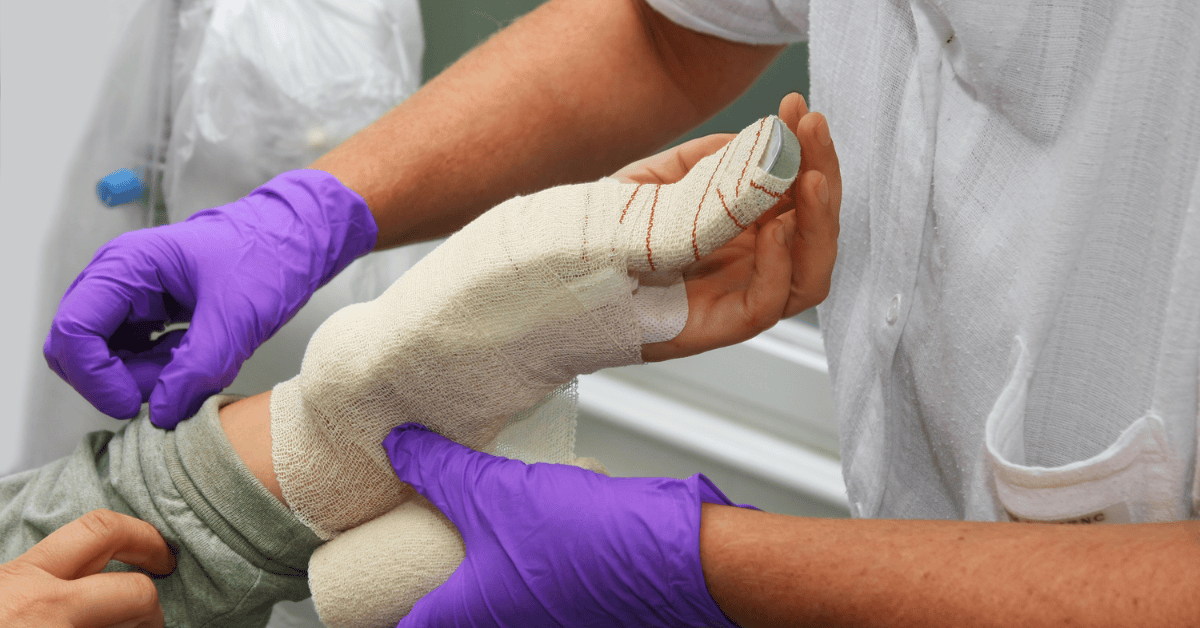
After the procedure, the wrist is wrapped in a soft dressing. Most patients are ready to leave within a short time and can expect to be home within a few hours of their arrival.
The First Week: What Is Normal
The first week after carpal tunnel surgery is typically the most uncomfortable, though most patients find the experience more manageable than expected. Here is what to anticipate:
Pain and Discomfort
Some degree of soreness, aching, and tenderness at the incision site is normal and expected. This is distinct from the nerve-related pain of carpal tunnel syndrome itself. Over-the-counter pain relievers such as ibuprofen or acetaminophen are usually sufficient to manage post-operative discomfort. Prescription pain medication is occasionally prescribed but is typically not required.
Swelling and Bruising
Mild swelling and bruising around the wrist and palm are common in the first few days. Keeping the hand elevated above heart level — particularly in the first 48 hours — helps minimize swelling and speeds the early healing process.
Dressing and Wound Care
The surgical site will be covered with a dressing that should remain clean and dry. Dr. Donnelly's office will provide specific instructions on when and how to change the dressing. Most patients have a follow-up appointment within one to two weeks at which the incision is inspected and any sutures are removed if necessary.
Hand Use
Light finger movement is encouraged almost immediately after surgery — gentle opening and closing of the fingers helps reduce stiffness and promotes circulation. However, gripping, lifting, and any activity that puts stress on the palm or wrist should be avoided during the first week.
Driving
Most patients should avoid driving for at least the first few days following surgery, particularly if the dominant hand was operated on. Dr. Donnelly will advise when it is safe to resume driving based on the individual patient's progress.
Weeks Two Through Four: Gradual Return to Activity
As the incision heals and swelling subsides, most patients experience a meaningful improvement in comfort and hand function during this phase.
Symptom Relief
Many patients notice rapid improvement in their carpal tunnel symptoms — particularly the nighttime numbness and tingling that disrupted sleep — within days of surgery. Relief of these sensory symptoms is often the earliest and most encouraging sign that the nerve decompression was successful.
Pillar Pain
A common and normal finding during this phase is what is known as pillar pain — tenderness and aching on either side of the palm near the base of the hand, where the transverse carpal ligament was divided. This is not a sign of a complication; it is a predictable part of the healing process as the surrounding soft tissue adapts. Pillar pain typically resolves within four to eight weeks.
Grip and Pinch Strength
Grip strength is temporarily reduced after surgery and will gradually return over several weeks. Light activities of daily living — self-care, light cooking, writing — can usually be resumed within two to three weeks for most patients. Activities requiring stronger grip or repetitive wrist motion take longer.
Return to Work
Return-to-work timing depends heavily on the nature of the patient's occupation:
- Sedentary or desk work: typically one to two weeks
- Light manual work: typically two to four weeks
- Heavy manual labor or jobs requiring strong grip: typically four to six weeks or longer, and often dependent on a functional strength assessment
Patients whose work involves repetitive or forceful hand use should discuss return-to-work expectations with Dr. Donnelly before surgery so that realistic planning can be made in advance.
One to Three Months: Full Recovery
The majority of patients achieve full functional recovery within one to three months of surgery. By this point, the incision is well healed, pillar pain has largely resolved, and grip strength is approaching or has returned to its pre-surgery baseline.
Nerve Recovery
The rate of nerve recovery is directly related to how long and how severely the median nerve was compressed before surgery. Patients with mild to moderate CTS typically experience full resolution of numbness and tingling within weeks. In cases where nerve compression was severe or long-standing, recovery takes longer — the nerve must regenerate, which occurs at a rate of approximately one millimeter per day. In some advanced cases, partial sensory changes may persist for several months, and full recovery may be incomplete if significant nerve damage was present prior to surgery.
Thenar Muscle Strength
Patients who had visible thenar muscle atrophy — wasting at the base of the thumb — before surgery may experience a slower and less complete return of thumb strength. This is one of the primary reasons why early evaluation and timely intervention are important. The longer the nerve is compressed, the greater the risk of permanent motor deficit.
Hand Therapy
Some patients benefit from formal hand therapy following surgery, particularly those recovering from more severe cases or those who need to rebuild strength and range of motion for demanding occupational or recreational activities. Dr. Donnelly will recommend therapy when it is clinically indicated.
Scar Maturation
The incision scar — located in the palm for open release, or at small portal sites for endoscopic release — will continue to mature and soften over the months following surgery. Scar massage, once the wound is fully closed, can help reduce sensitivity and improve the texture of the healing tissue.
Endoscopic vs. Open Recovery: Is There a Difference?
Both endoscopic carpal tunnel release and open carpal tunnel surgery achieve the same surgical goal — dividing the transverse carpal ligament to decompress the median nerve — and produce equivalent long-term outcomes. The primary differences in recovery relate to the early postoperative period:
- Endoscopic release: associated with less palmar scar tenderness and pillar pain in the early weeks, and often allows a faster return to work and daily activities for patients in physically demanding occupations
- Open release: the time-tested standard approach with a slightly longer incision in the palm; early tenderness may last a bit longer, but long-term outcomes are equivalent
The choice of technique is made on an individual basis after a thorough discussion with Dr. Donnelly about your anatomy, occupation, and personal preferences.
Signs of a Normal Recovery vs. When to Call the Office
Normal findings during recovery include:
- Soreness and tenderness at the incision site, especially in the first two weeks
- Mild swelling of the palm and fingers
- Pillar pain on either side of the palm
- Temporary reduction in grip strength
- Mild stiffness with finger movement
- Itching around the healing incision
Contact Dr. Donnelly's office if you experience:
- Increasing redness, warmth, or swelling around the incision — these may indicate infection
- Drainage or opening of the wound
- Fever above 101°F
- Worsening pain that is not controlled with over-the-counter medication
- Numbness or tingling that is significantly worse than before surgery
- Any concern about the appearance of the incision or your rate of recovery
Most complications following carpal tunnel surgery are uncommon and, when identified early, are straightforward to address. Do not hesitate to contact the office if something does not feel right.
Ready to Take the Next Step? Schedule a Consultation.
If you are considering carpal tunnel surgery or would like to discuss your treatment options, Brandon P. Donnelly, MD is a board-certified orthopedic surgeon specializing in hand and upper extremity conditions. He serves patients throughout the Greater New Orleans area, with offices in Metairie, Boutte, and Marrero. The sooner you are evaluated, the sooner you can begin your path to relief.
Call our office or request an appointment online: (504) 885-6464 | Request an Appointment
About Dr. Brandon P. Donnelly, M.D.
If you’re experiencing numbness, tingling, or hand weakness, early evaluation can make a significant difference in your recovery. Dr. Donnelly proudly serves patients throughout Greater New Orleans, including Metairie, Covington, Mandeville, and the North Shore.
Call our office or request an appointment online: