
How Stress Relief Can Hurt Your Hands
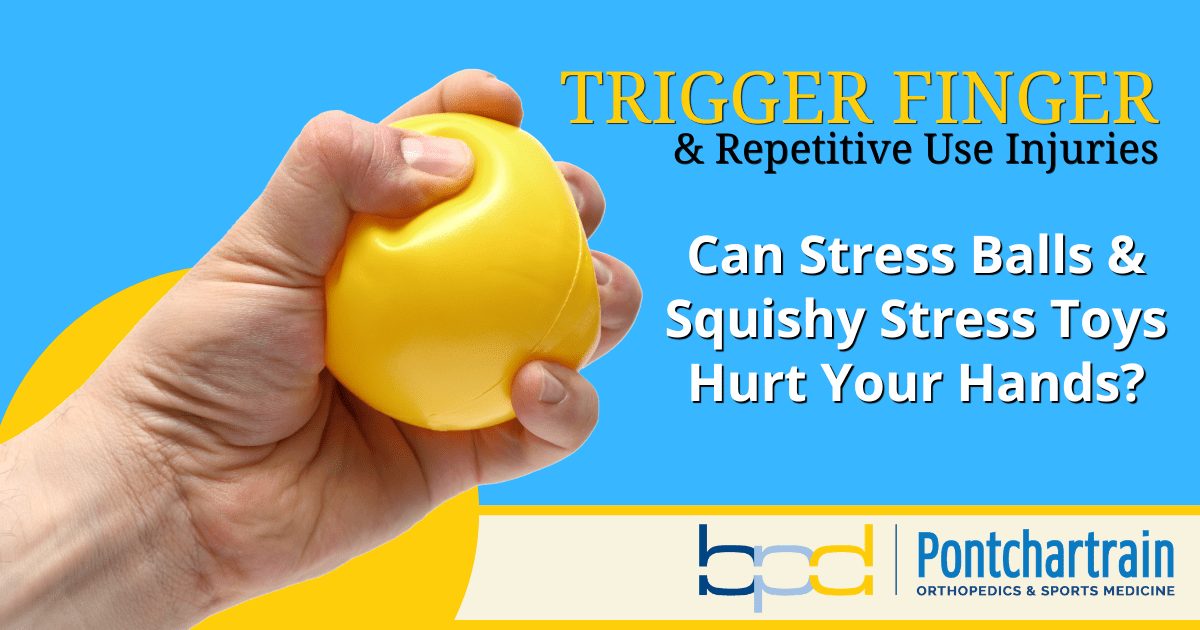
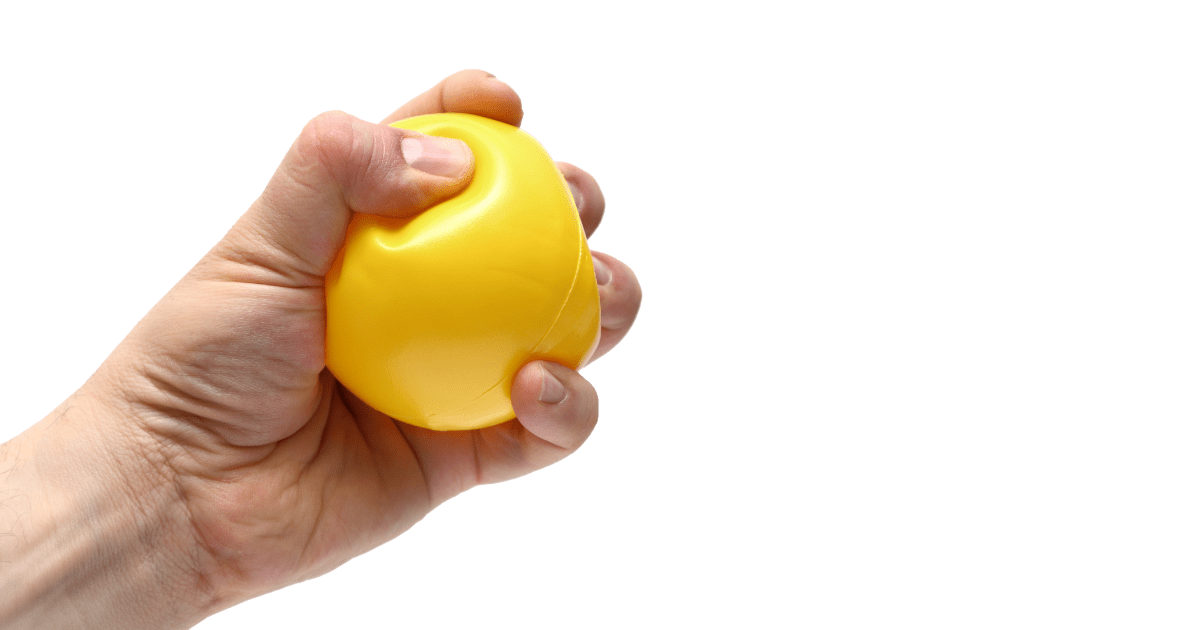
Stress balls and “squishy” sensory toys have become incredibly popular in recent years. Whether used at work, in the classroom, during long commutes, or simply while watching television, many people reach for these soft, squeezable objects as a way to relieve stress and keep their hands occupied.
And in many cases, they can help.
Repetitive squeezing and hand movement may temporarily reduce stress, improve focus, and provide a calming sensory outlet. For some people, stress balls are also used during hand therapy and rehabilitation exercises under medical supervision.
However, when it comes to trigger finger, stress balls and squishy stress toys, repetitive overuse can sometimes contribute to pain, irritation, and hand conditions that should not be ignored.
Why People Use Stress Balls and Squishies
Stress balls are designed to provide repetitive resistance to the muscles and tendons of the hand and forearm. Many people find that squeezing a stress ball:
- Helps reduce anxiety and nervous energy
- Improves concentration
- Provides sensory stimulation
- Relieves tension during stressful situations
- Keeps hands occupied during repetitive tasks
The recent popularity of “squishy” sensory toys has expanded this trend, especially among students, office workers, gamers, and individuals looking for stress relief throughout the day.
In moderation, these devices are generally harmless. But excessive gripping and repetitive hand motion can place strain on the tendons, joints, and nerves of the hand and wrist.
Can Overusing Stress Balls Cause Hand Problems?
Repeated forceful gripping can aggravate underlying hand conditions or contribute to overuse injuries over time.
According to the American Academy of Orthopaedic Surgeons (AAOS), repetitive gripping activities may contribute to irritation of the flexor tendons associated with trigger finger symptoms.
Some of the more common conditions associated with repetitive gripping activities include:
Trigger Finger
Trigger finger occurs when irritation and inflammation affect the tendon that helps bend the finger. Patients may notice:
- Finger stiffness
- Pain in the palm
- Clicking or popping sensations
- Fingers locking in a bent position
Repetitive gripping activities may worsen symptoms in susceptible individuals.
Tendonitis and Hand Overuse Injuries
Constant squeezing and repetitive hand activity may lead to tendon irritation and inflammation. Symptoms can include:
- Hand fatigue
- Aching pain
- Weak grip strength
- Swelling or tenderness
These issues are especially common in people who combine stress-ball use with other repetitive activities such as typing, gaming, tool use, or manual labor.
Carpal Tunnel Syndrome
Although stress balls do not directly “cause” carpal tunnel syndrome, repetitive hand motion can aggravate symptoms in patients who already have median nerve compression.
Symptoms may include:
- Numbness and tingling
- Hand weakness
- Nighttime hand pain
- Difficulty gripping objects
For some patients with existing carpal tunnel syndrome, repetitive squeezing of stress balls or squishy stress toys may increase irritation within the carpal tunnel and temporarily worsen symptoms such as numbness, tingling, and hand fatigue.
When Should You See a Hand Specialist?
Occasional soreness after heavy hand use is common. However, persistent symptoms should not be ignored. You should consider evaluation by a hand specialist if you experience:
- Finger locking or catching
- Persistent pain
- Tingling or numbness
- Weakness in the hand
- Symptoms that interfere with work or daily activities
- Swelling that does not improve
Early diagnosis often helps patients avoid worsening symptoms and more invasive treatment later.
How Dr. Donnelly Evaluates Hand and Wrist Conditions
As an orthopedic hand, wrist, and elbow specialist, Dr. Brandon P. Donnelly evaluates a wide range of repetitive stress and overuse hand conditions affecting the upper extremity.
During an evaluation, Dr. Donnelly may assess:
- Finger motion and tendon function
- Grip strength
- Nerve symptoms
- Joint stability
- Range of motion
- Areas of tenderness or inflammation
Imaging studies or additional testing may sometimes be recommended depending on the condition.
Treatment Options for Trigger Finger & Repetitive Injuries
Treatment depends on the severity of the condition and the patient’s symptoms. Many patients improve with conservative care, including:
- Activity modification
- Rest
- Anti-inflammatory treatments
- Splinting
- Hand therapy
- Corticosteroid injections
When conservative treatment is unsuccessful, surgical intervention may be considered for certain conditions such as trigger finger or severe nerve compression.
Moderation Matters
Stress balls and sensory toys are not inherently harmful. For many people, they provide a harmless way to manage stress and improve focus throughout the day.
But like any repetitive activity, moderation is important.
If squeezing your favorite “squishy” starts causing pain, stiffness, locking, or numbness, it may be time to have your hands evaluated before a minor irritation becomes a more significant problem.
About Dr. Brandon P. Donnelly, MD
 Dr. Brandon P. Donnelly is a board certified orthopedic specialist of the upper extremities with Pontchartrain Orthopedics & Sports Medicine. Dr. Donnelly completed his hand and microsurgery fellowship at the prestigious Philadelphia Hand to Shoulder Center. Dr. Donnelly treats all ages of patients in the greater New Orleans area in his Metairie, Boutte and Marrero offices.