
What “pickleball elbow” usually means
Most pickleball-related elbow pain is lateral epicondylitis—irritation of the wrist-extensor tendon where it attaches on the outside of the elbow. Repeated gripping and quick backhand or volley motions can create tiny tendon tears that make everyday tasks surprisingly painful.
- Common signs include outside-elbow soreness, tenderness with gripping or a backhand swing, and morning stiffness.
- Some players notice a “heavy paddle” feeling or mild swelling after play.
If these symptoms sound familiar, you’re not alone, and early adjustments can prevent a long layoff.
Why the wrist can hurt, too
Even when the elbow is the main issue, the wrist often shares the load. Two frequent culprits are De Quervain’s tendinitis (thumb-side pain) and TFCC irritation (pinky-side pain) from twisting, mishits, or falls.
- Look for aching on the thumb side with grip and wrist deviation, or ulnar-side pain with jar-opening and forceful topspin.
- Clicking, catching, or swelling that doesn’t settle are warning signs.
Addressing wrist symptoms early helps protect your return to play and keeps elbow rehab on track.
Why pickleball players get these injuries
Rapid increases in play time are the biggest driver—tendons adapt more slowly than enthusiasm. Technique also matters: leading with the wrist or making contact late shifts stress to small forearm muscles.
- Paddle fit and vibration can add strain, especially with grips that are too small or paddles that transmit shock.
- Age and prior overuse make tendons less tolerant of sudden workload spikes.
The good news is that small changes in volume, form, and equipment can dramatically reduce tendon load.
First steps you can try at home
The same principles I mention in my Tennis Elbow article, fit pickleball overuse very well. First, address the root cause: minor technique or workstation changes can make a major difference. Second, early soft-tissue work improves blood flow and tissue quality during the first few weeks.
- Gentle deep-tissue work by a trained provider or therapist can loosen tight bands and reduce hotspots.
- Daily forearm stretches (flexors and extensors) lower tendon tension at the elbow.
- Prescription topical anti-inflammatories can calm symptoms with fewer whole-body side effects than pills.
If pain persists beyond a couple of weeks—or interrupts sleep or daily tasks—it’s time for an exam by a hand, wrist, and elbow specialist.
Simple, pickleball-specific tweaks
Small paddle and grip adjustments reduce squeeze force and shock without changing your game identity. Technique tune-ups that keep the wrist neutral and bring contact a bit earlier also shift load to the shoulder and core.
- Choose a grip size that fits your hand and consider a cushioned overgrip.
- A slightly heavier, more head-light paddle can dampen vibration.
- Ease back in with the 10–20% rule, mixing in doubles or drills while symptoms settle.
These tweaks often shorten recovery and make improvement “stick” when you ramp back up.
Treatment options for pickleball elbow and wrist pain
Care is tailored to your symptoms, goals, and season. We begin with a focused exam and, when appropriate, diagnostic imaging to guide the plan.
- Activity modification, counterforce straps for the elbow, or thumb-spica bracing for De Quervain’s can calm flares.
- Targeted hand/physical therapy builds tendon capacity with progressive loading and sport-specific return-to-play steps.
- Medications or image-guided injections are options when indicated; stubborn cases may benefit from minimally invasive procedures or surgery.
Most players return to play with a combination of smart load management, therapy, and technique adjustments.
When to see a hand, wrist, and elbow specialist
Self-care is a great start, but some cases need targeted treatment. Seek an evaluation if pain lasts beyond two to three weeks, limits daily function, or comes with numbness, significant swelling, or deformity. Early diagnosis clarifies the problem, rules out tendon tears or TFCC injuries, and speeds a safe return to the court.
Pickleball should be fun, not frustrating. With the right adjustments and a focused plan, most players get back to pain-free play without long-term issues. If elbow or wrist pain is affecting your quality of life, schedule an evaluation—same-week appointments are often available.
About Dr. Brandon P. Donnelly, MD
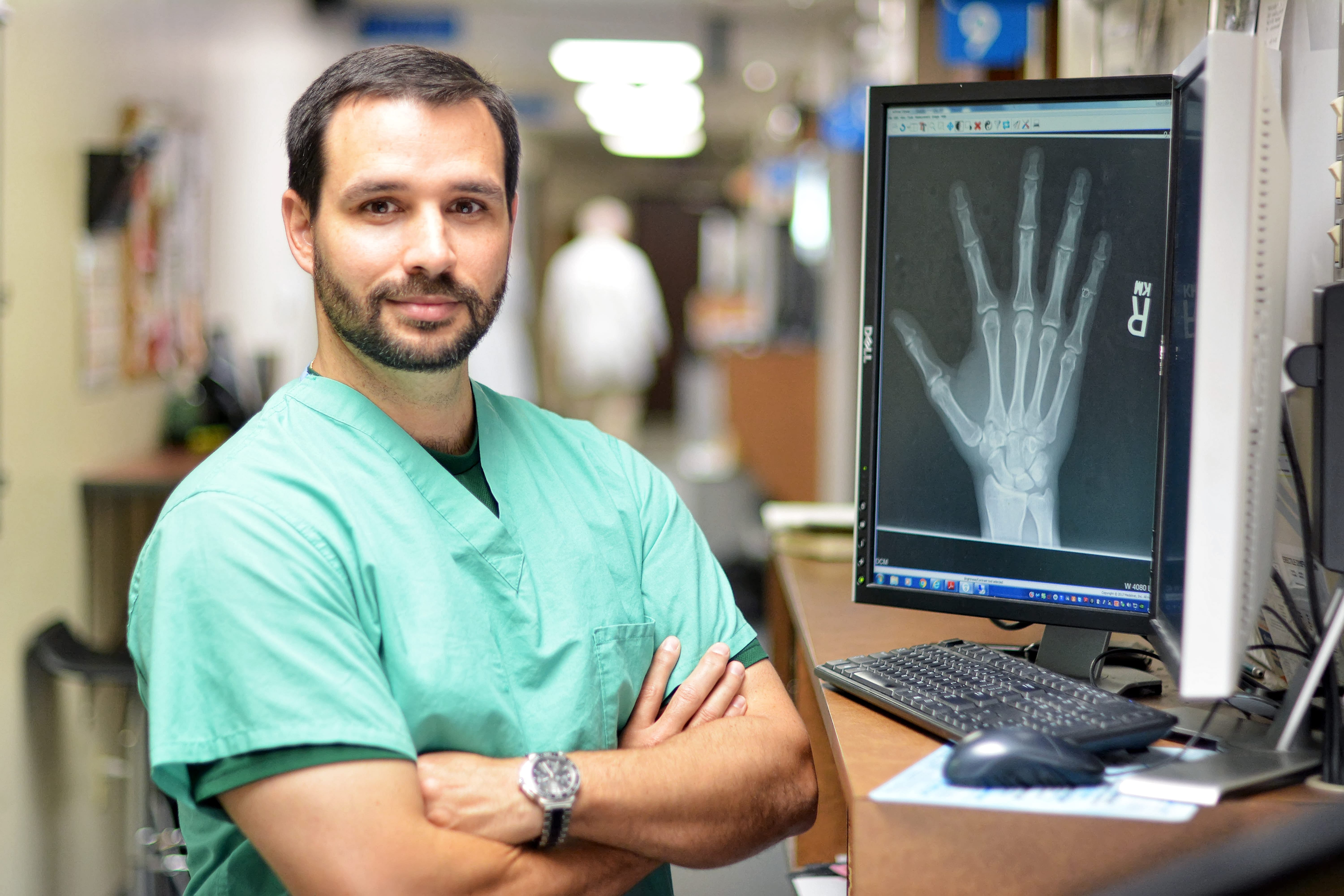 Dr. Brandon P. Donnelly is a board certified orthopedic hand specialist with Pontchartrain Orthopedics & Sports Medicine. Dr. Donnelly completed his hand and microsurgery fellowship at the prestigious Philadelphia Hand to Shoulder Center. Dr. Donnelly treats all ages of patients in the greater New Orleans area for hand, wrist, and elbow conditions.